
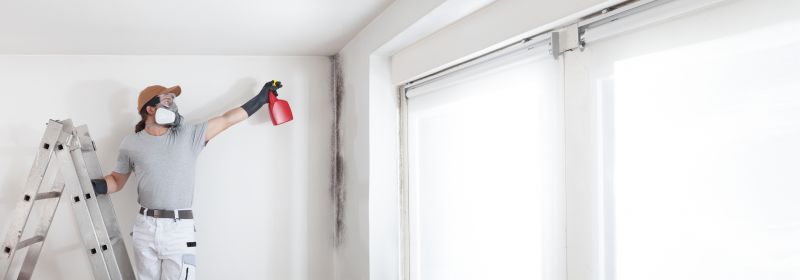
Attic Mold Removal in Essex County, NJ
Attic mold removal services focus on identifying and eliminating mold growth that occurs in attic spaces, which can develop due to excess moisture, poor ventilation, or roof leaks. These projects typically involve thorough inspections to determine the extent of mold presence, followed by specialized cleaning and treatment to remove mold colonies from insulation, wood framing, and other surfaces. Property owners often seek this service to improve indoor air quality, prevent structural damage, and address health concerns associated with mold exposure.
Homeowners considering attic mold removal should understand the importance of early detection and professional assessment before proceeding. It’s helpful to know whether mold growth is visible or suspected, and if there are underlying issues such as leaks or ventilation problems that need addressing to prevent future growth. Clarifying the scope of work, including the areas affected and the methods used for mold removal, can ensure the process aligns with the property’s needs and health standards.
Many property owners in Essex County, NJ look into Attic Mold Removal for repairs, replacements, upgrades, and appearance-related improvements.
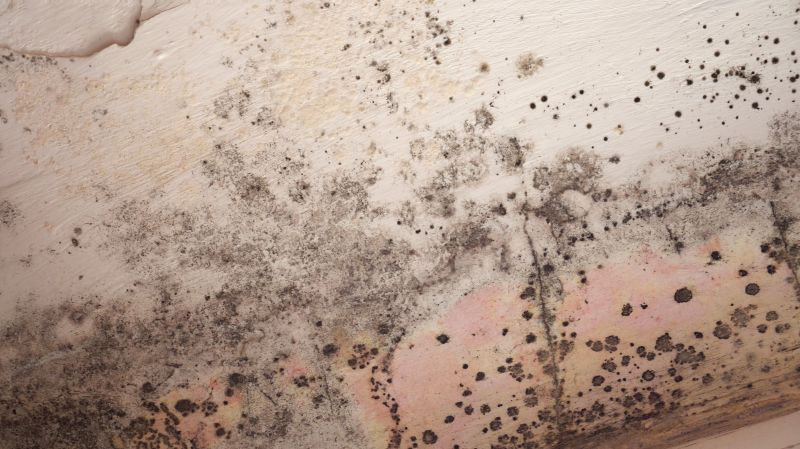
Attic Mold Prevention
Proper ventilation and moisture control help prevent mold growth in attic spaces.
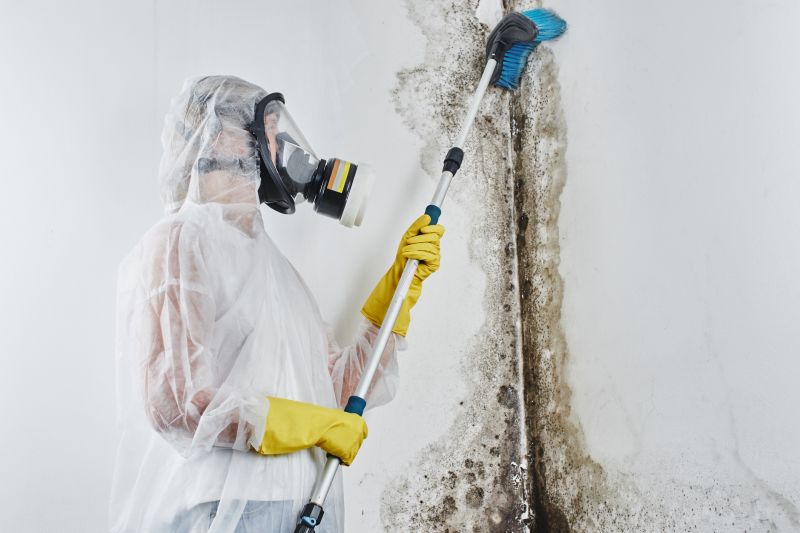
Signs Of Attic Mold
Visible discoloration, musty odors, and increased humidity levels may indicate mold presence.
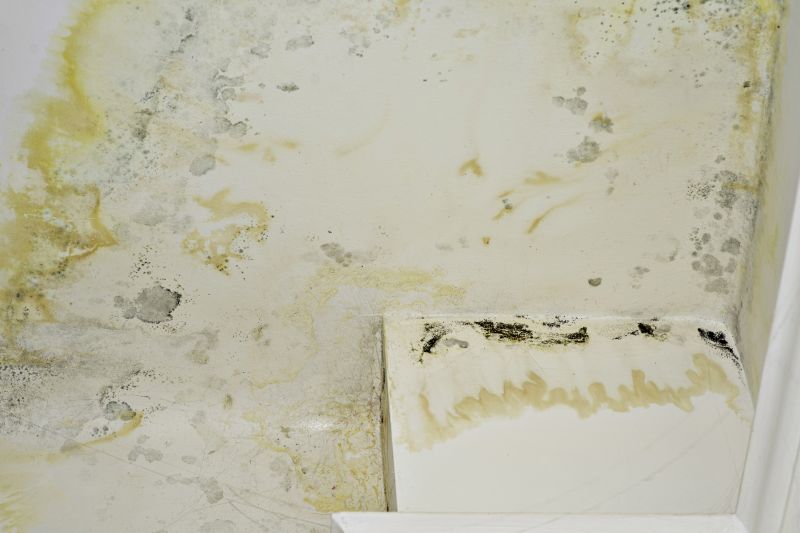
Health And Property Risks
Attic mold can impact indoor air quality and cause structural damage if left untreated.
Attic Mold Removal in Essex County, NJ
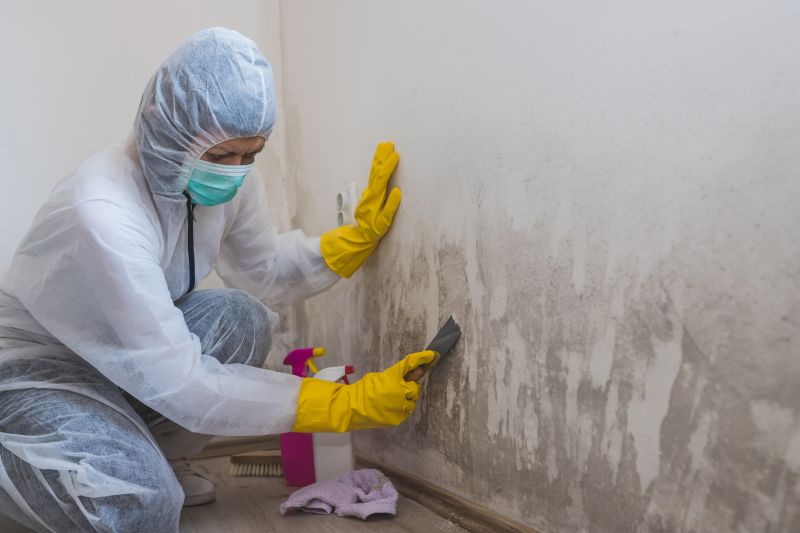
Attic mold removal services focus on identifying and eliminating mold growth that occurs in attic spaces, which can develop due to excess moisture, poor ventilation, or roof leaks. These projects typically involve thorough inspections to determine the extent of mold presence, followed by specialized cleaning and treatment to remove mold colonies from insulation, wood framing, and other surfaces. Property owners often seek this service to improve indoor air quality, prevent structural damage, and address health concerns associated with mold exposure.
Homeowners considering attic mold removal should understand the importance of early detection and professional assessment before proceeding. It’s helpful to know whether mold growth is visible or suspected, and if there are underlying issues such as leaks or ventilation problems that need addressing to prevent future growth. Clarifying the scope of work, including the areas affected and the methods used for mold removal, can ensure the process aligns with the property’s needs and health standards.
Many property owners in Essex County, NJ look into Attic Mold Removal for repairs, replacements, upgrades, and appearance-related improvements.
Common Attic Mold Removal Jobs
Attic mold removal involves identifying and eliminating mold growth caused by excess moisture.
Mold remediation in attics helps prevent health issues related to airborne mold spores.
Attic mold cleanup includes thorough cleaning and treatment of affected surfaces.
Moisture control services aim to reduce humidity levels that promote mold growth.
Insulation removal and replacement may be necessary if mold has penetrated attic insulation.
Attic ventilation assessments improve airflow to minimize future mold development.
Attic Mold Removal Questions
What causes attic mold growth? Attic mold typically develops due to excess moisture, poor ventilation, or leaks that create a damp environment for mold to thrive.
How can attic mold affect a home? Mold in the attic can lead to structural damage, musty odors, and potential health issues for residents.
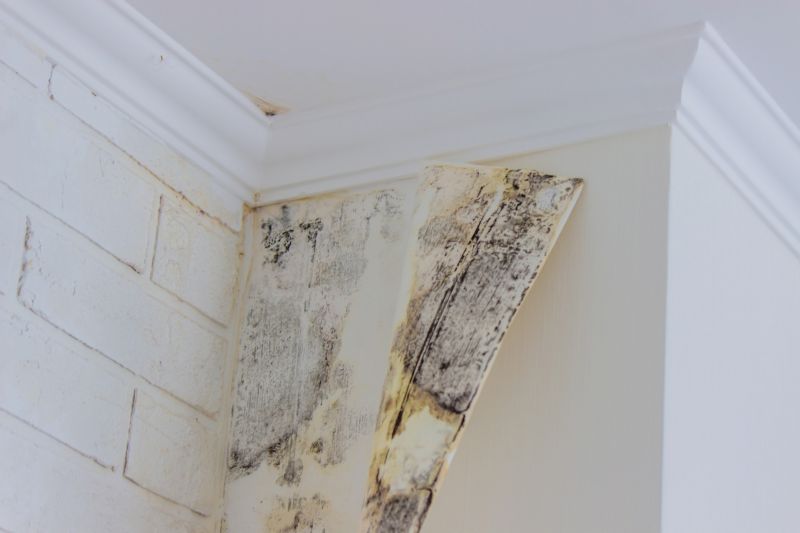
What are common signs of attic mold? Visible mold spots, a musty smell, or water stains on attic surfaces may indicate mold presence.
Is attic mold removal necessary for property safety? Yes, removing attic mold helps prevent further damage and reduces health risks associated with mold exposure.
Request Attic Mold Removal in Essex County, NJ
Use the quote form on this page to share the basics of your project and request more information for the type of work you need.